Exhausted On Thyroid Meds With 'Perfect' Labs? It's Not Your Dose.
A thyroid doctor of 34 years explains the congestion that keeps your medication locked out of your cells, and the drops that finally cleared it for one stubborn patient.

You have every reason to roll your eyes at one more page telling you why you're still tired. You've heard it. Lose weight. Cut gluten. Up the dose. Try selenium. Come back in six months. You take the pill every single morning. Your bloodwork comes back "Optimized." Your doctor is pleased. And you still wake up like you never slept.
Your face is puffy before you've eaten a thing. Your hair is in the drain. By 2 p.m. The fog rolls in and coffee does nothing. So go ahead and be skeptical. I'd want you to be. But stay for ninety seconds, because I'm going to tell you something I spent most of my career getting wrong, and what one patient forced me to see.
I'm Dr. Margit Solberg. I've worked with thyroid and autoimmune patients for 34 years. For most of that time, here is the sentence I said in the exam room, to woman after woman, while I tapped a lab printout: "Your numbers look great. The medication is doing its job." I believed it. The TSH was in range. The T4 was where it belonged.
By every measure I was trained to trust, the treatment was working. And the woman across from me would nod, and gather her coat, and walk out still exhausted. Still puffy. Still losing her hair. I told myself that was the disease. That this was simply what living with a thyroid condition felt like, and there was nothing more to be done.
I was wrong, and not about the lab numbers.
The Doctor Who Cornered Me After A Lecture
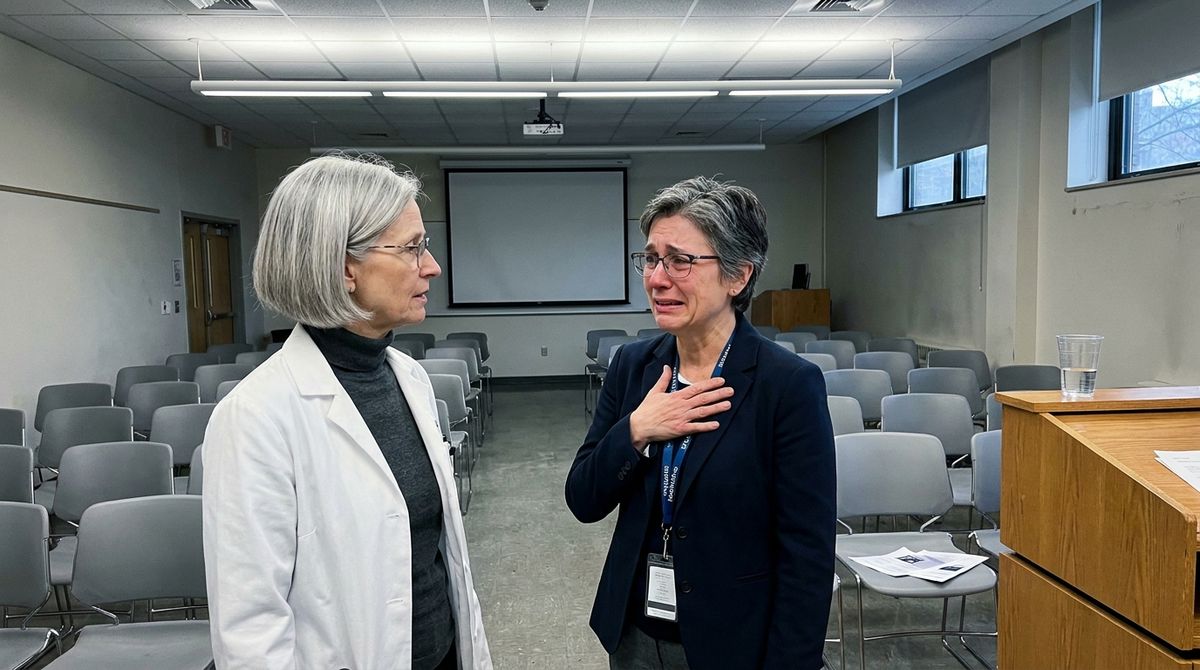
Three years ago I gave a talk to a room of clinicians. Afterward, most people filed out. One woman didn't. She waited until the room emptied. Then she introduced herself, a working physician, mid-fifties, about my own tenure. A peer. And she said something I've never forgotten. "I'm on the medication. My labs are flawless. I prescribe this exact protocol to my own patients.
And I can barely make it through my afternoon clinic without lying down." This was a colleague. Someone who knew the biology as well as I did. She wasn't confused about her dose. She'd checked it a hundred times. Then she said the part that stayed with me. "Last week I forgot a patient's name mid-sentence. In front of her.
I stood there in my own office and couldn't find it. I'm a doctor and I'm scared I'm losing it." She wasn't asking me for a higher dose. She was asking me why the dose she already had wasn't reaching her.
The Shelf Of Half-Used Bottles

She'd done everything the field offers. None of it touched the exhaustion. I asked her to walk me through it, the way I'd ask any patient. The list could have come from any of the women in my waiting room:
- Higher and higher doses, more medication into the blood, same dead-tired afternoons. The blood wasn't the problem.
- Selenium and ashwagandha, the antibodies would dip for a month, then climb right back. Like the supplement couldn't get to where it was needed.
- Strict gluten-free, then dairy-free, then the full elimination protocol, disciplined for a year, no real change in how she felt.
- A $400 functional-medicine workup, pages of results, a fistful of new pills, still slumped on the couch by six.
- More sleep, more water, more patience, the advice everyone gives when they've run out of answers.
A Card That Swipes And Swipes And The Door Won't Open
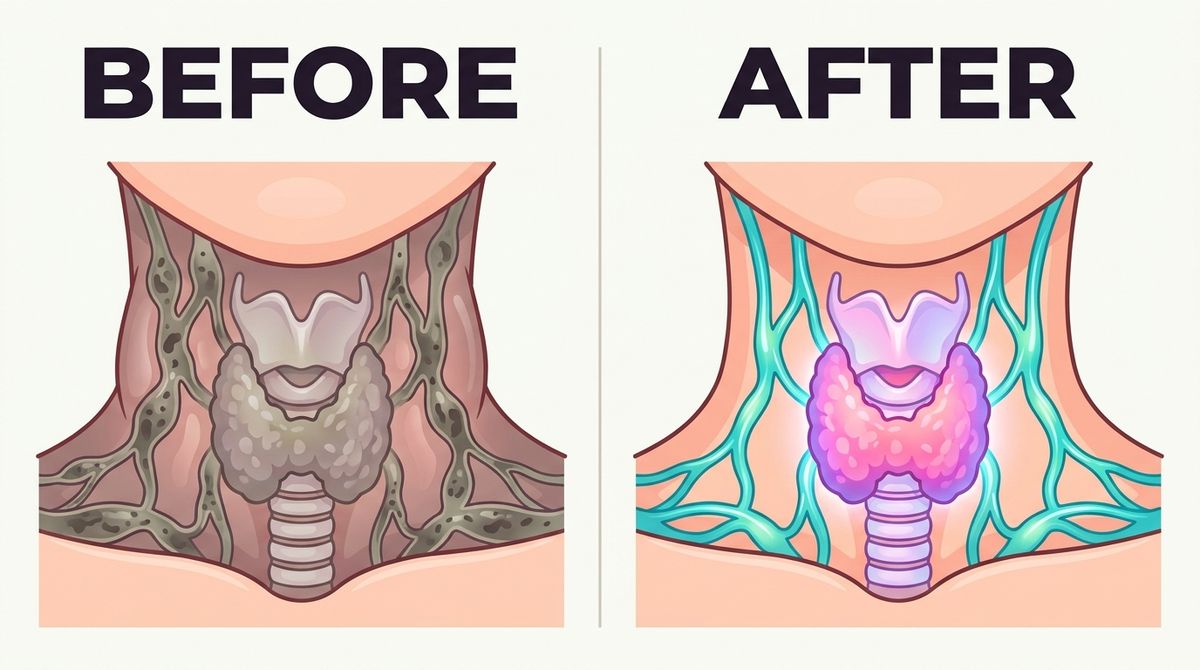
Here is what I finally understood, and what I'd missed for three decades. Your medication gives your blood the thyroid hormone it needs. The lab measures the blood. So the lab looks perfect. But the hormone doesn't do its work in your blood. It has to cross out of the blood, through the tissue, and into your cells.
And your thyroid sits inside one of the densest networks of drainage vessels in your whole body, the lymphatic web through your neck and throat that's supposed to carry inflammatory waste away from the gland every day. In an autoimmune thyroid condition, that drainage slows to a crawl. Debris piles up. The tissue around the gland gets swollen and congested.
Think of your cells as a locked door, and the hormone as the keycard. The card is valid, your labs prove the card is in your hand. But the reader on the door is gummed over with years of trapped waste. You swipe. Nothing. You swipe again. Nothing. The hormone is right there in your blood, pressed against a door it cannot open.
That is the exhaustion despite "Perfect" Labs. That is why your hair keeps shedding on medication. That is the throat puffiness that never quite goes down, it isn't a hormone level, it's a drainage problem.
Why No One Had Told Her, Or Me
So why isn't this the first thing you hear in a thyroid appointment? Because questioning the lab-and-dose playbook is professionally dangerous. The whole field runs on it. The first clinician to stand up and say "The number is fine but the patient isn't, and here's why" Gets quietly labeled a quack. So nobody says it. Not out of malice. Out of caution.
We are trained to trust the chart, and to distrust anyone who points past it. The drainage tissue around the gland isn't on the standard panel. There's no billing code for it. So it goes unexamined, decade after decade, while women are told their flawless labs mean they should feel fine.
Clear The Reader, Then Feed The Cell

That colleague made me do something I should have done years earlier: act on the drainage instead of just raising the dose. I started tracking down compounding herbalists and small formulators who worked with the old lymphatic botanicals. I built a rough liquid blend and asked her to add it to her morning routine, not instead of her medication, alongside it. The logic was simple.
To get the hormone working again, two things have to happen, in this order. I came to call it the Clear-Then-Carry approach:
- Clear, loosen and sweep the trapped waste out of the congested tissue around the gland, so the "Reader on the door" Stops being gummed over.
- Open the exits, give that loosened waste a route to actually leave the body instead of recirculating back into the same swollen tissue.
- Carry, calm the inflammation and firm up the drainage vessels so they keep moving on their own, so the door stays clear instead of jamming up again next week.
The Referrals Went Quiet
Word travels in small medical circles. Not in headlines, in hallways. Within a few months, the doctors who used to send me their tough thyroid cases simply stopped. No confrontation. No letter. The phone just rang less. A nurse I'd worked with for years told me, gently, that people were saying I'd "Gone alternative." I understood it.
I'd have whispered the same thing about a colleague ten years earlier. That's exactly the wall this idea runs into, the moment you point past the lab, you're a quack, and the referrals dry up. But my patients kept coming back with their hair growing in. So I kept going.
The Drops I Finally Settled On Are Called Cleantra
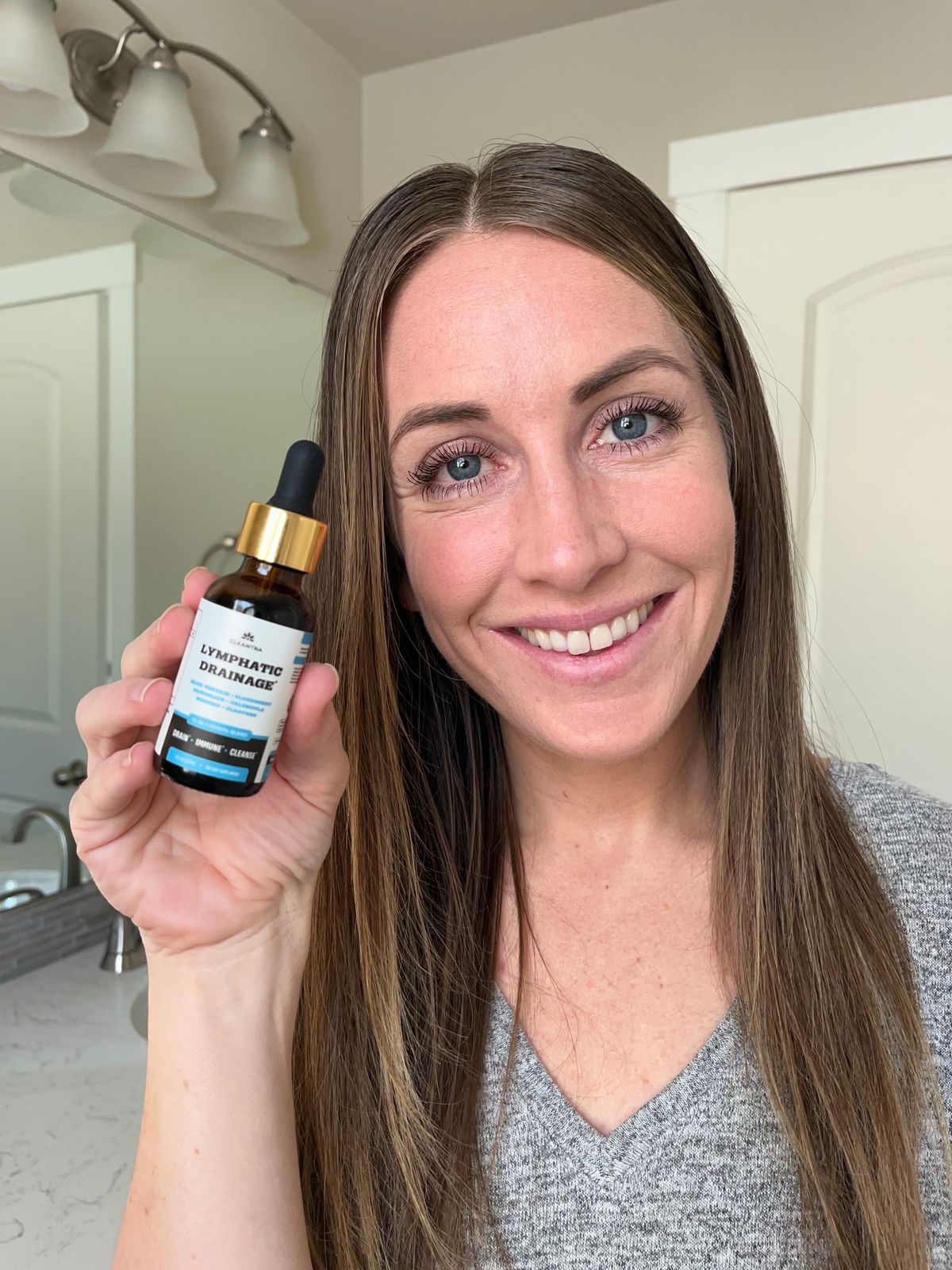
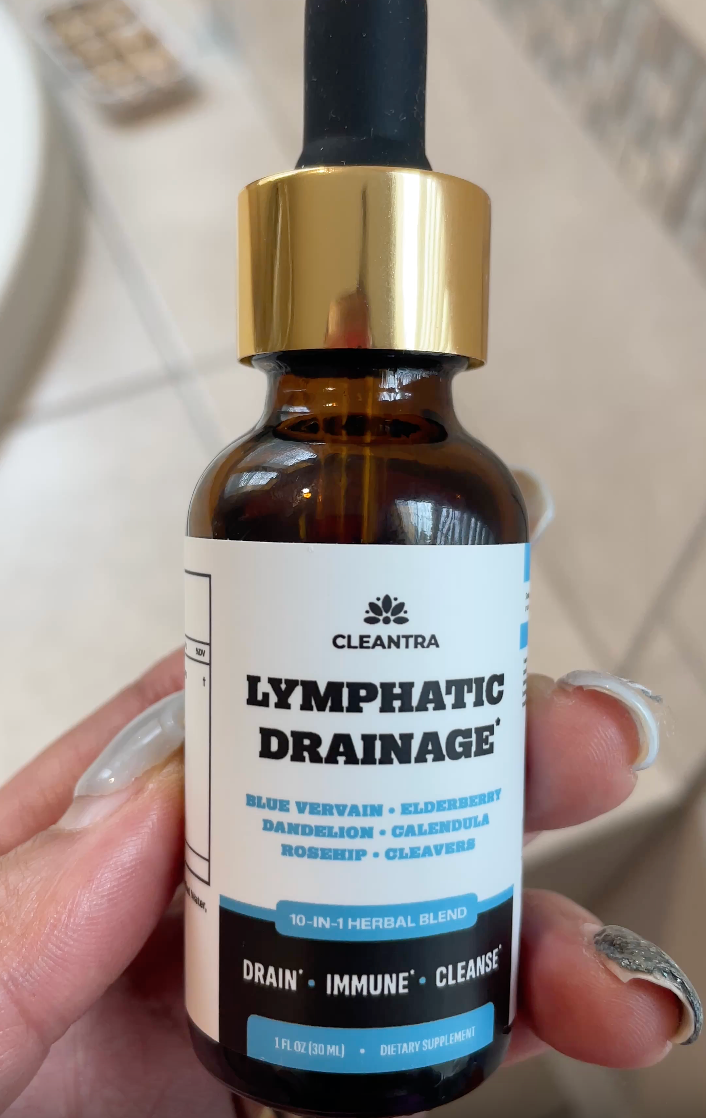
I partnered with a small botanical formulation team and turned that rough morning blend into something consistent and tested. The finished product is Cleantra Lymphatic Drainage Drops, a liquid you take once a day, with or after a meal. It's ten botanicals, chosen to do the Clear-Then-Carry job. In plain terms:
- Cleavers, the old "Lymphatic broom." It's the lead herb that loosens and sweeps the stagnant waste packed into the tissue around the gland.
- Echinacea and Burdock root, they back up the sweeping and help break up debris that's been sitting in the vessels for years.
- Dandelion root and Prickly Ash bark, these open the exit routes and wake up sluggish circulation, so what gets loosened actually leaves instead of pooling back as throat puffiness.
- Red Clover, Blue Vervain, Calendula, Rose Hip and Elderberry, these calm the inflammation and strengthen the vessel walls, so the system keeps draining on its own and the door stays clear.
Why A Liquid, And Why It Acts Fast
It's drops, not a capsule, on purpose. A capsule sits in your stomach for 30 to 45 minutes breaking down before anything reaches you. A liquid absorbs in minutes. It's a once-daily dropperful. You don't change your diet. You don't stop your prescription, you keep taking exactly what your doctor gave you.
The drops work on the tissue the medication has to pass through, not on the hormone itself. Made in an FDA-registered, GMP-certified facility. Third-party tested. No fillers.
What The Women Kept Telling Us
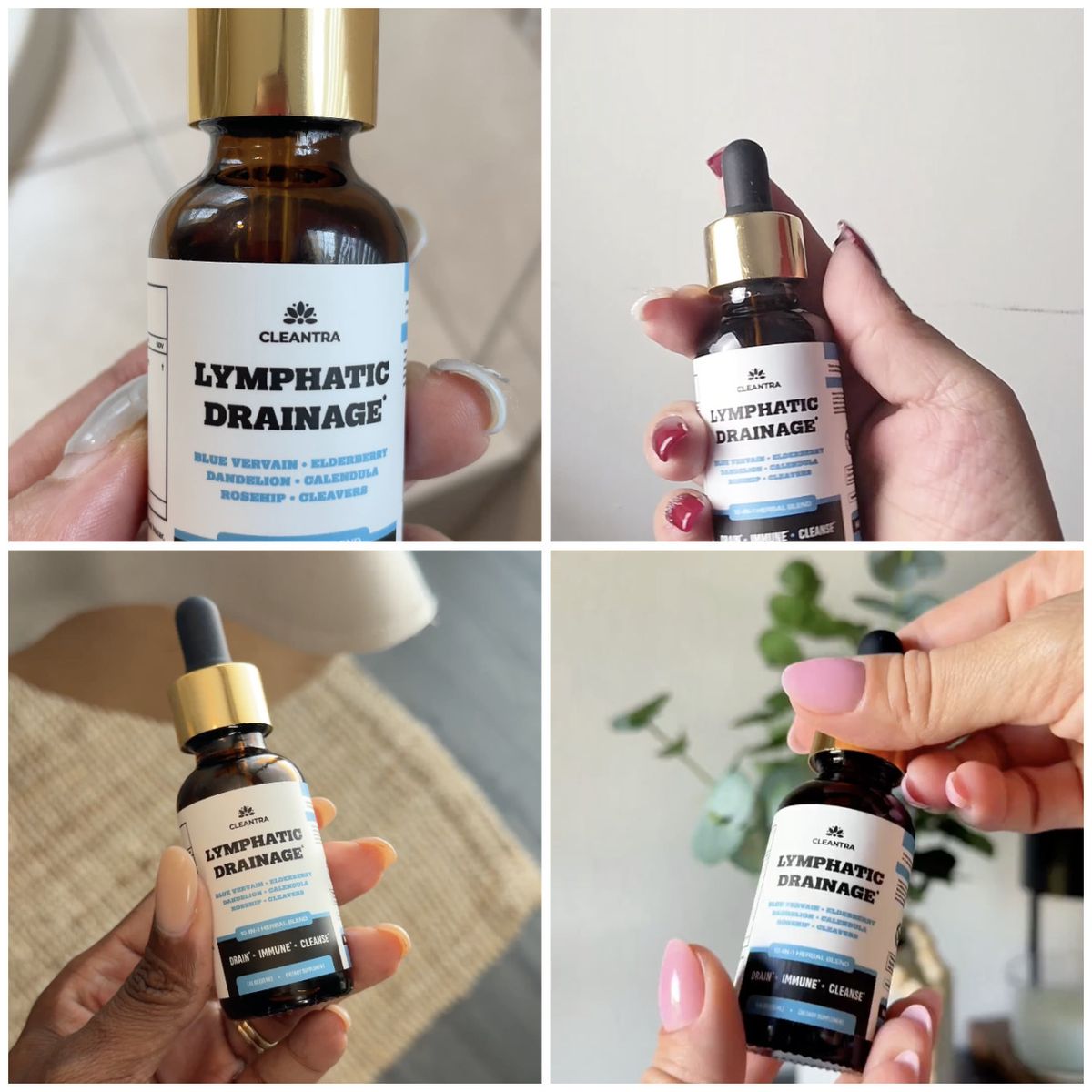
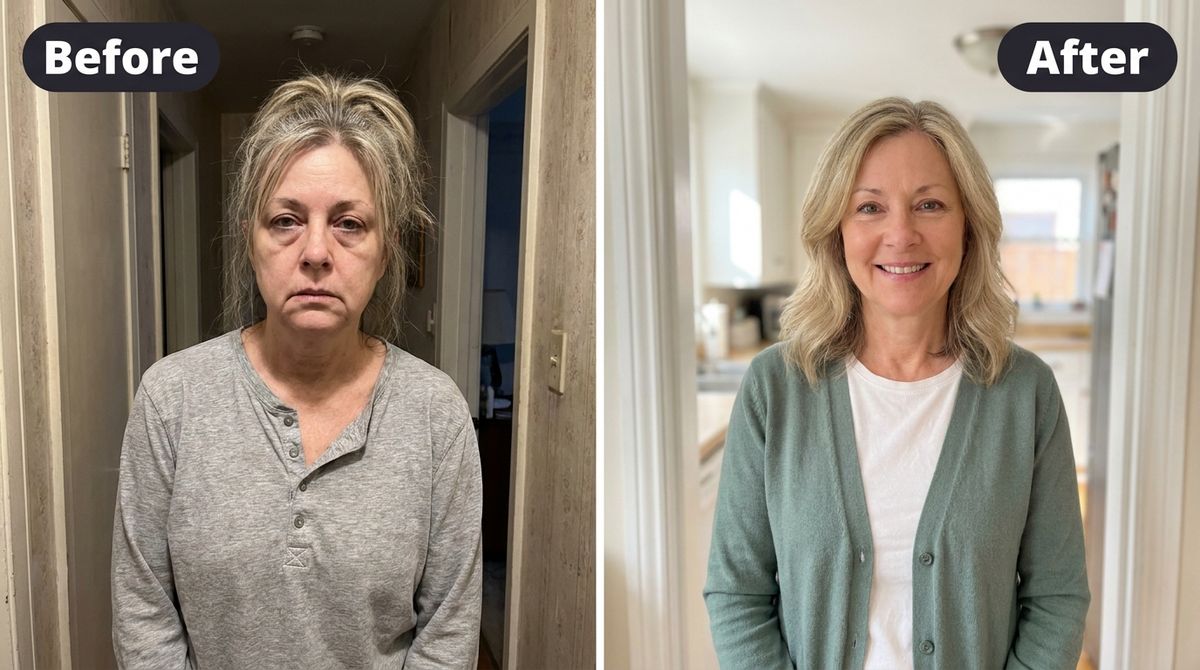
We've heard back from thousands of women who added the drops to the medication they were already taking. We didn't run a trial, this is just what they wrote in. The pattern was hard to miss:
- Most Said the afternoon exhaustion eased within the first few weeks
- Most Of the women noticed the throat and face puffiness going down
- Very few Ever asked for a refund
Three Specialists, Thousands Of Dollars, Still Tired
Before that colleague found her way to the drops, here's what she'd spent chasing an answer the lab kept saying she didn't need.
Functional-medicine specialists
- $400+ per visit
- Pages of labs, more pills, no change in how she felt
Total: Thousands of dollars
Years of premium supplements
- Selenium, ashwagandha, the whole shelf
- Antibodies dipped, then climbed right back
Total: Hundreds a month, ongoing
Dose increase after dose increase
- More hormone into a system that couldn't deliver it
- Same exhaustion, plus new side effects
Total: Endless refills
What It Should Cost, And What It Actually Costs Today
Set against a $400 specialist visit or a shelf of premium supplements, a daily botanical drop that works on the one thing none of those touched should not be expensive. The regular price is $49 a bottle. On this page today, it's $29 a bottle. And they cover the shipping.
You're Covered For 90 Days
I'm a precise person. I don't make promises I can't stand behind. So you get 90 days. Take the drops daily, alongside your medication, and pay attention to your afternoons. If the exhaustion doesn't ease, if you don't feel the difference, you send it back and get every dollar returned. No questions, no fine print.
The only thing you can lose is more time feeling exactly the way you feel now.
Keep Swiping A Card At A Locked Door
Keep raising the dose. Keep hearing your labs are perfect. Keep dragging yourself off the couch at six, losing words mid-sentence, watching your hair thin, and telling yourself this is just how it is now. Nothing changes, because the door stays jammed.
Clear The Door
Add one dropperful a day to the routine you already have. Give the tissue around your gland a chance to drain, so the medication you're already taking can finally reach the cells that need it. Find out what your afternoons feel like when the fog has somewhere to go.
Here's Exactly What To Do Next
- Click the button below to reach the official Cleantra page.
- Enter your shipping details on the secure checkout.
- It arrives at your door in a few days.
- Take one dropperful once a day, with or after a meal, keep taking your prescription exactly as your doctor directed.
- Watch your afternoons over the next few weeks, and let us know what changes.
The Colleague Who Wouldn't Be Brushed Off
Don't close this and tell yourself you'll think about it. Later is another afternoon you spend flat on the couch. Later is another patch of hair in the drain. Later is the small batch selling out and you waiting weeks. That colleague who cornered me after my lecture had spent years being told she was fine while she was quietly falling apart.
She refused to accept it, and it changed everything for her, and, honestly, for how I practice. You've waited long enough to feel like yourself. Click below.
With respect, and a precision I wish I'd had thirty years ago,
Dr. Margit Solberg
P.S. That colleague still practices. She told me last spring she gets through a full clinic day now and remembers every patient's name. She's the reason this exists, because she wouldn't let me brush her off the way I'd brushed off so many before her.
P.P.S. Remember: you do not stop your medication. The drops work on the congested tissue the hormone has to pass through. Keep your prescription exactly as prescribed, and add the drops alongside it.


REFERENCES
- Cleveland Clinic. "Lymphatic System: Definition, Anatomy & Function." Cleveland Clinic Health Library. 2023.
- Margolis JR, et al. "Lymphatic Function and the Thyroid Gland." Lymphatic Research and Biology. 2019;17(2):142-150.
- Drucker DJ. "Mechanisms of Tissue-Level Hormone Delivery." Cell Metabolism. 2018;27(4):740-756.